
Woven filter mesh with plain weave
- largest stock of different mesh openings and wire diameters
- suitable for filtration, sieving, ventilation and screening
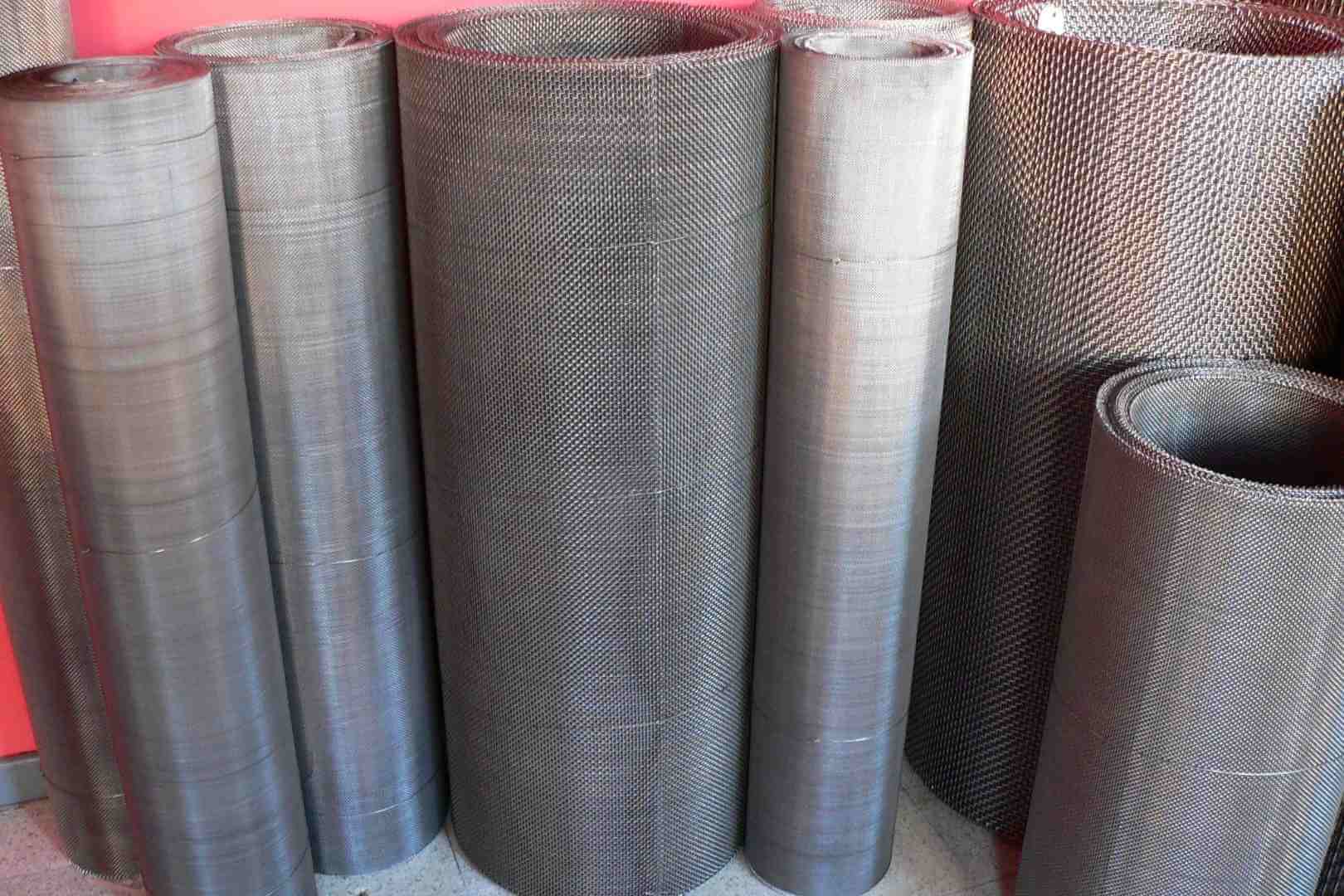
- available on roll, as cut-to-size pieces or as flattened panels
- available in stainless steel, galvanized steel, steel and other metal alloys
Plain weave
Plain weave is the standard weave type within woven metal mesh. The warp and weft wires pass alternately over and under each other, creating a simple but highly reliable mesh structure.
This version is widely used and is chosen when a regular mesh opening, good permeability and easy processing are important. Because of the large availability in different mesh openings, wire diameters and materials, plain weave is often the fastest and most versatile choice for industrial and technical applications.

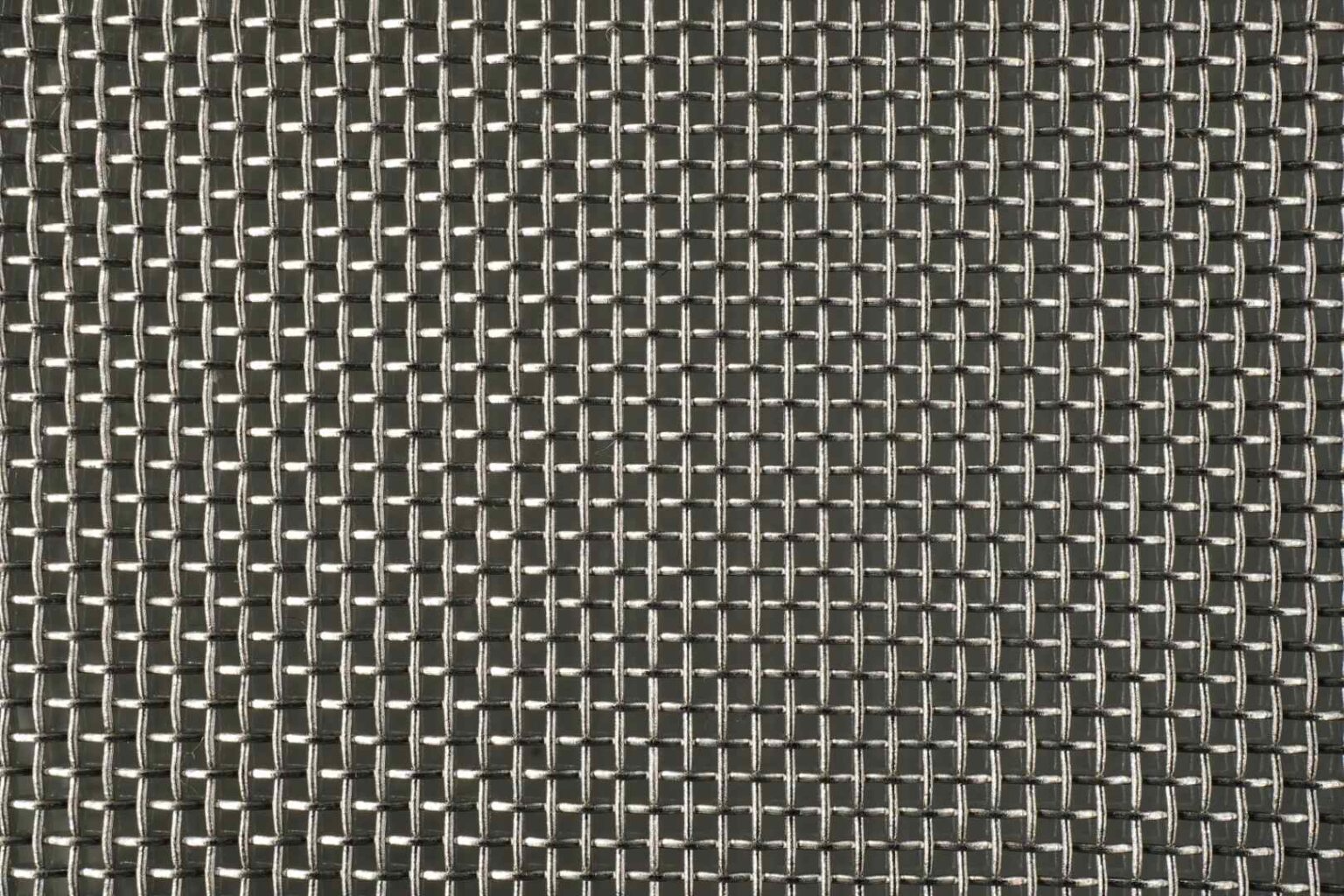
What is woven filter mesh with plain weave?
n woven filter mesh with plain weave, the wires cross each other according to a fixed over-under pattern. Each wire is woven alternately above and below the crossing wire. This creates a uniform square opening that can be accurately controlled in size and permeability.
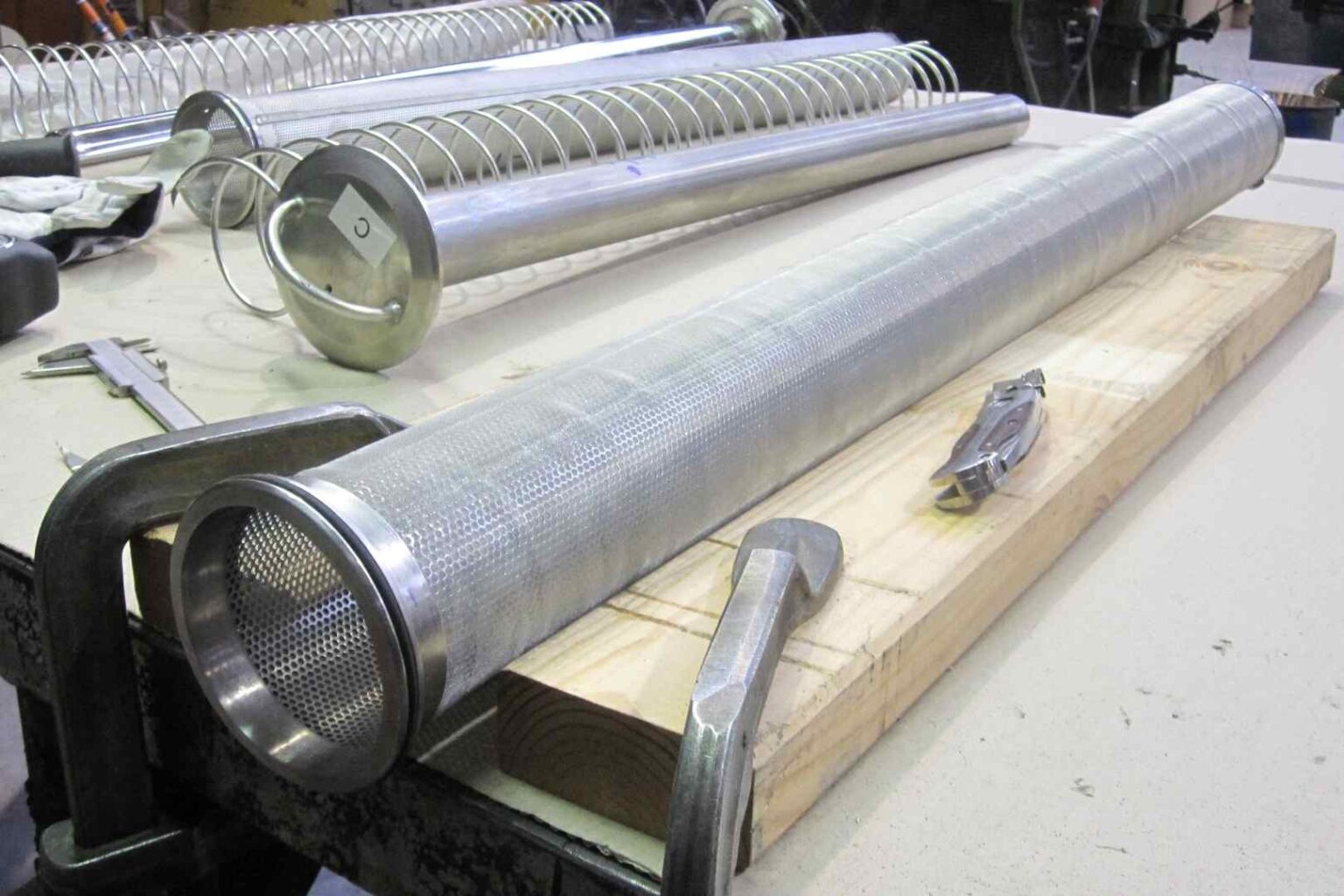
Because the structure is simple and regular, the mesh remains easy to process. It can be cut, folded, tensioned, framed or processed into filter elements, sieves, panels and technical components.
Plain weave is used for both coarse and fine applications. In coarser meshes, the focus is on permeability, ventilation and screening. In finer meshes, the mesh is used for filtration, separation, insect protection or technical shielding.
Dimensions, mesh openings and delivery options
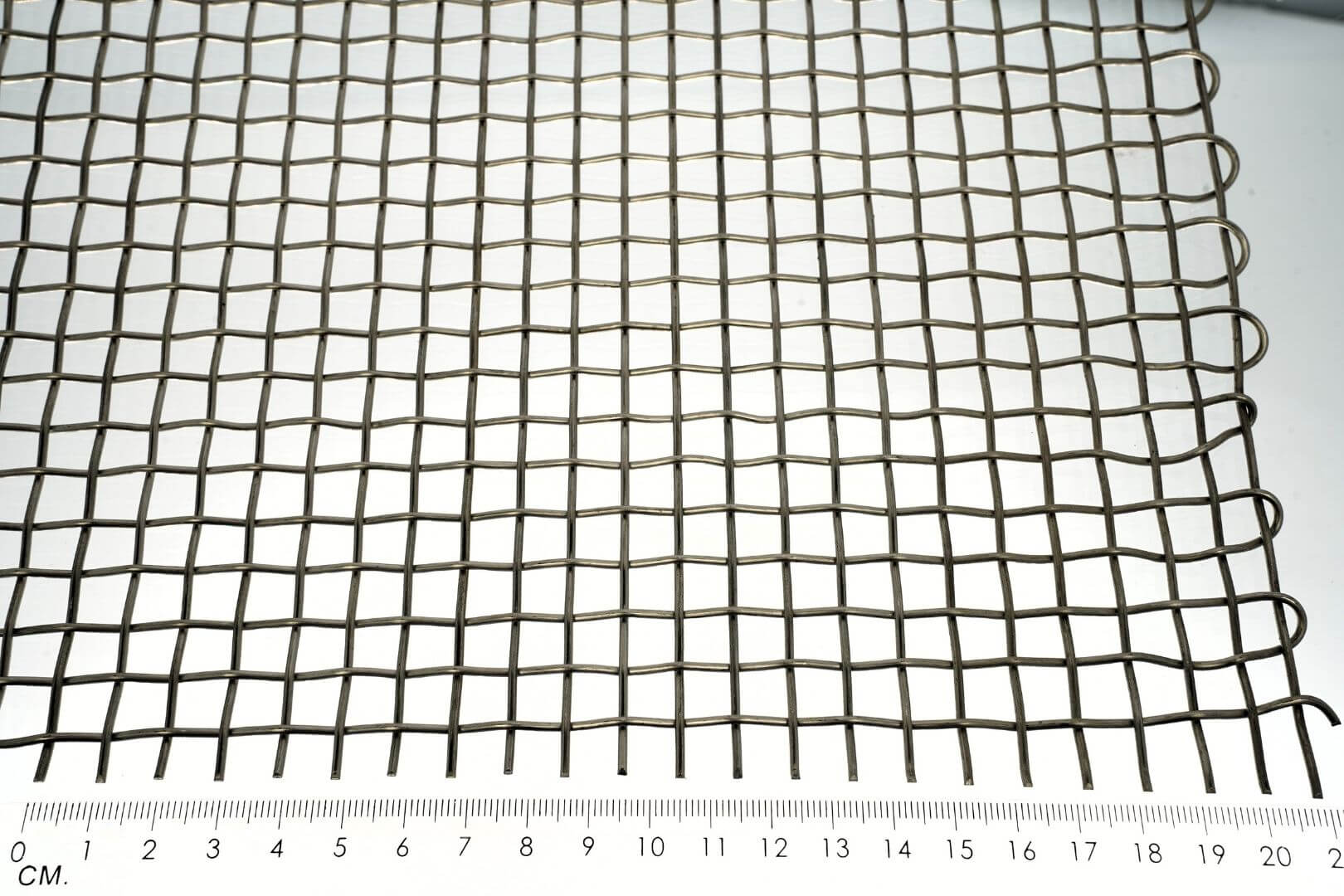
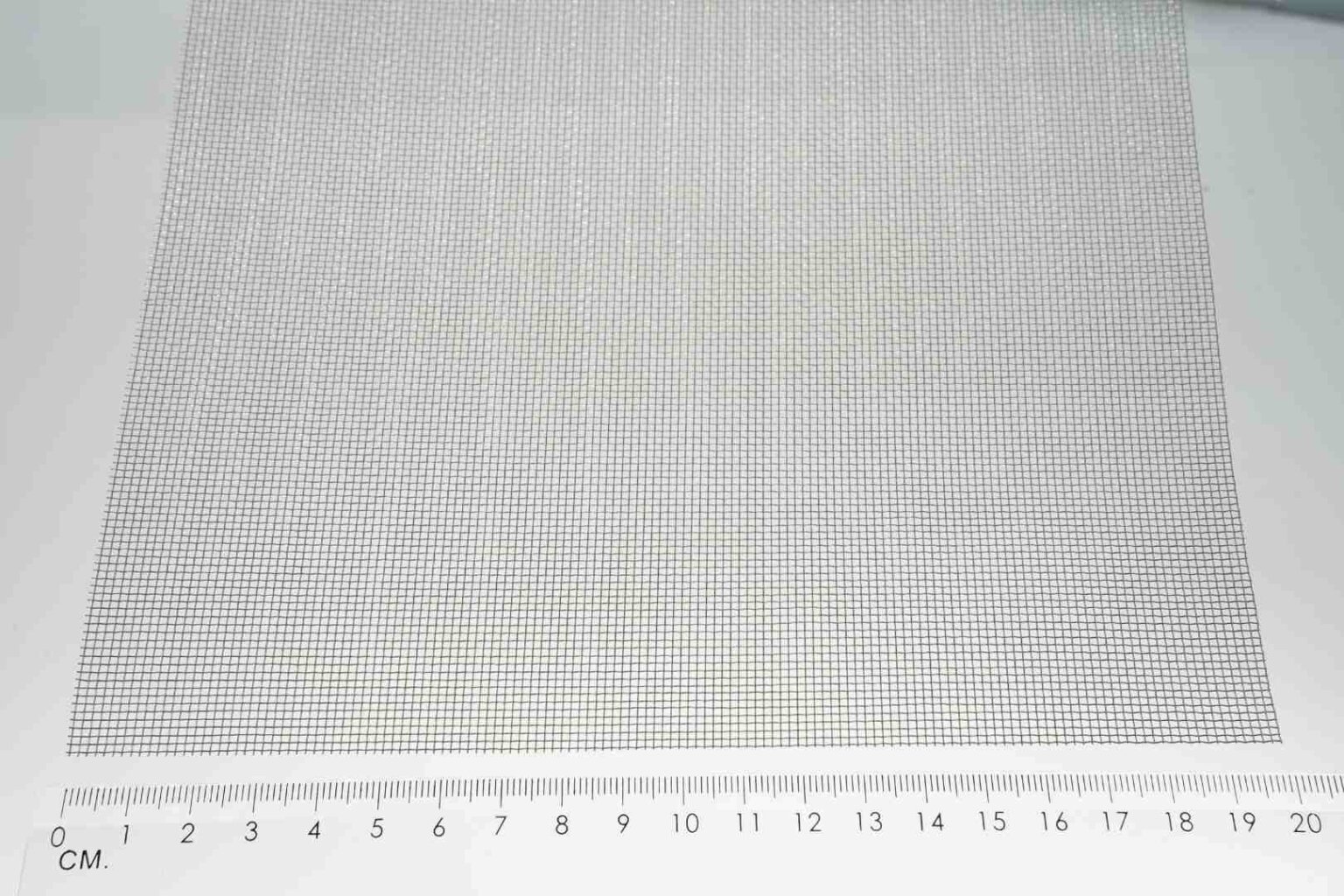
Woven metal mesh with plain weave is available in a wide range of mesh openings. For fine filtration, very small openings are possible, starting from 50 microns, while coarser meshes up to 15 mm are also available for screening, ventilation and sieving.
Plain weave is available on roll, as cut-to-size pieces, as flattened panels or as custom-made components. Depending on the application, the mesh can be further processed by cutting, folding, welding, framing or mounting into a filter element or technical part.
Technical characteristics
- regular square mesh structure
- good balance between permeability and stability
- widest diversity of stock versions
- suitable for fine, medium and coarse mesh openings
- can be cut, folded and processed
- available on roll, as cut-to-size pieces or as flattened panels
- available in stainless steel, galvanized steel, steel, brass, copper and other alloys
- suitable as sieve mesh, filter mesh, ventilation mesh or screening mesh
Applications of plain weave
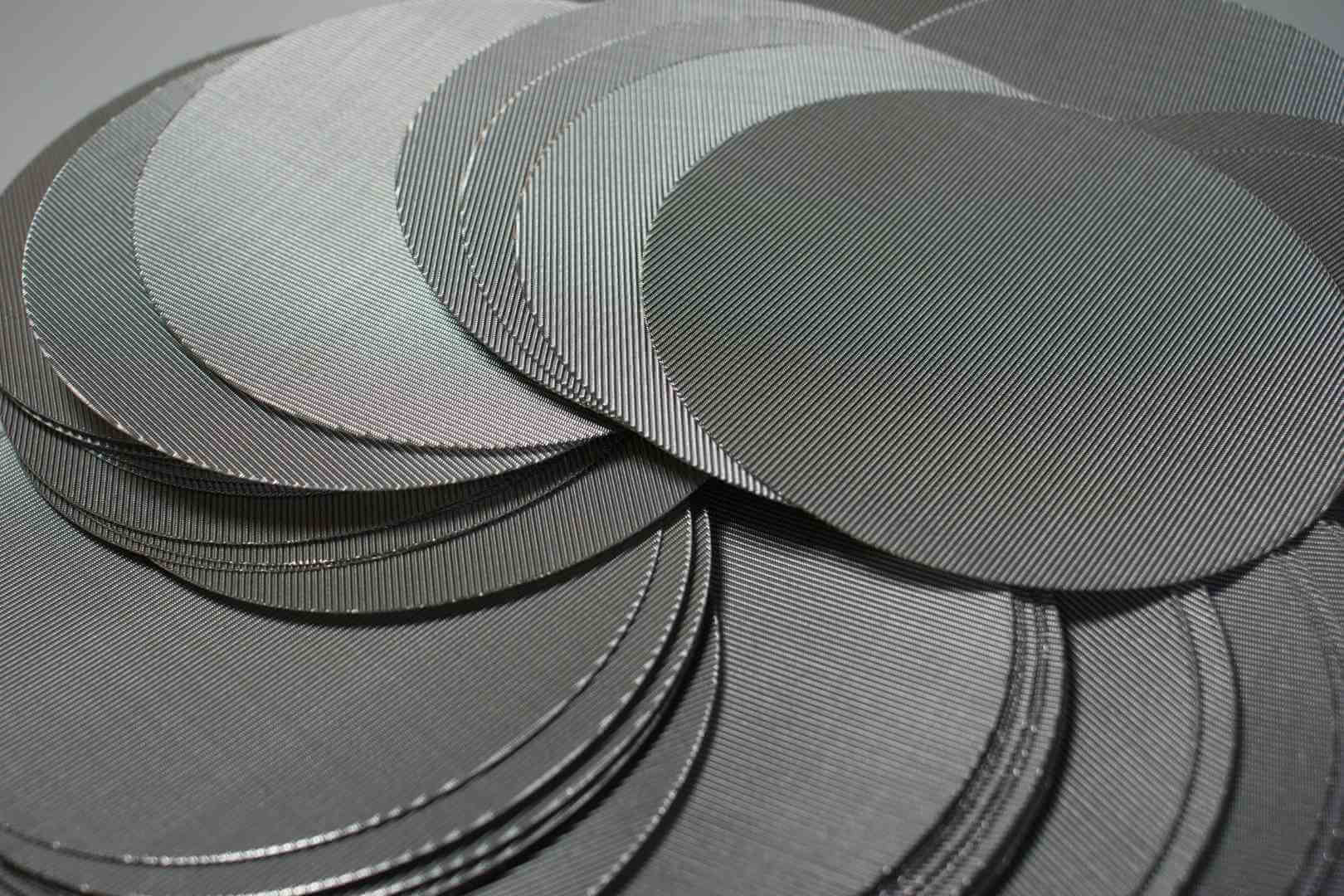
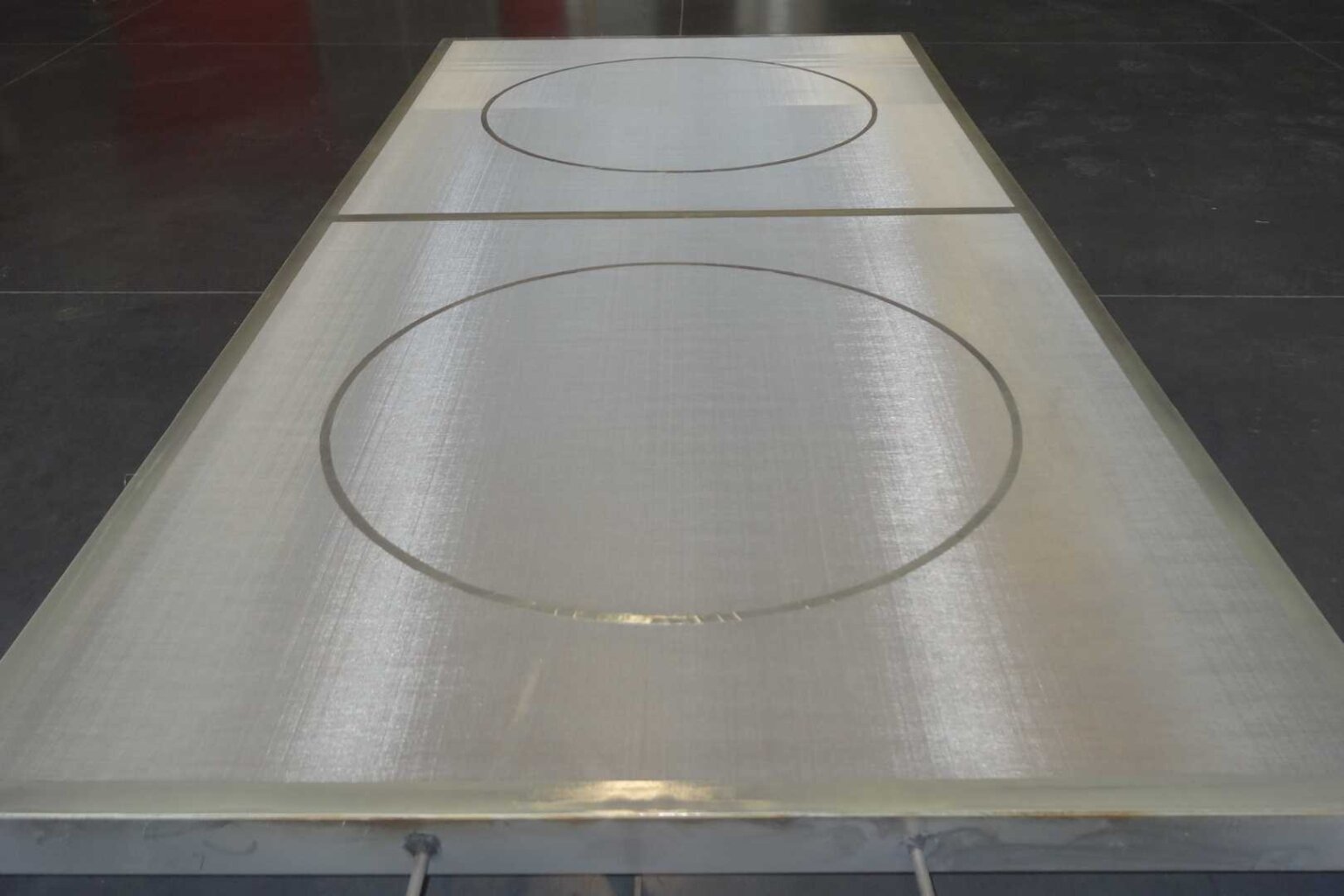
Woven metal mesh with plain weave is used when a reliable, open and regular mesh structure is required. Thanks to the wide choice of versions, the same weave type can be used for both light screening and technical filtration.
Typical applications include:
- industrial sieves for sorting and classification
- filter mesh for air, water, oil and process media
- ventilation panels and air grilles
- machine guards and technical protection
- insect protection and pest control
- screening in cabinets, machines and installations
- decorative and architectural applications
- support mesh or pre-filter in filter elements
- Fine stainless steel filter mesh for precise industrial filtration
When to choose plain weave?
Plain weave is the right choice when a versatile, readily available and technically reliable woven metal mesh is required.
This weave is ideal when the application requires a regular mesh opening, good permeability and easy processing.
Choose plain weave when:
a square and regular mesh opening is important
the mesh must be available quickly
Compared with twill weave, plain weave is more open, simpler and generally more widely available. Compared with Dutch weave, plain weave offers more open permeability, but less fine filtration precision. For general applications, plain weave is therefore often the most practical and economical choice.
Points to consider with woven metal mesh
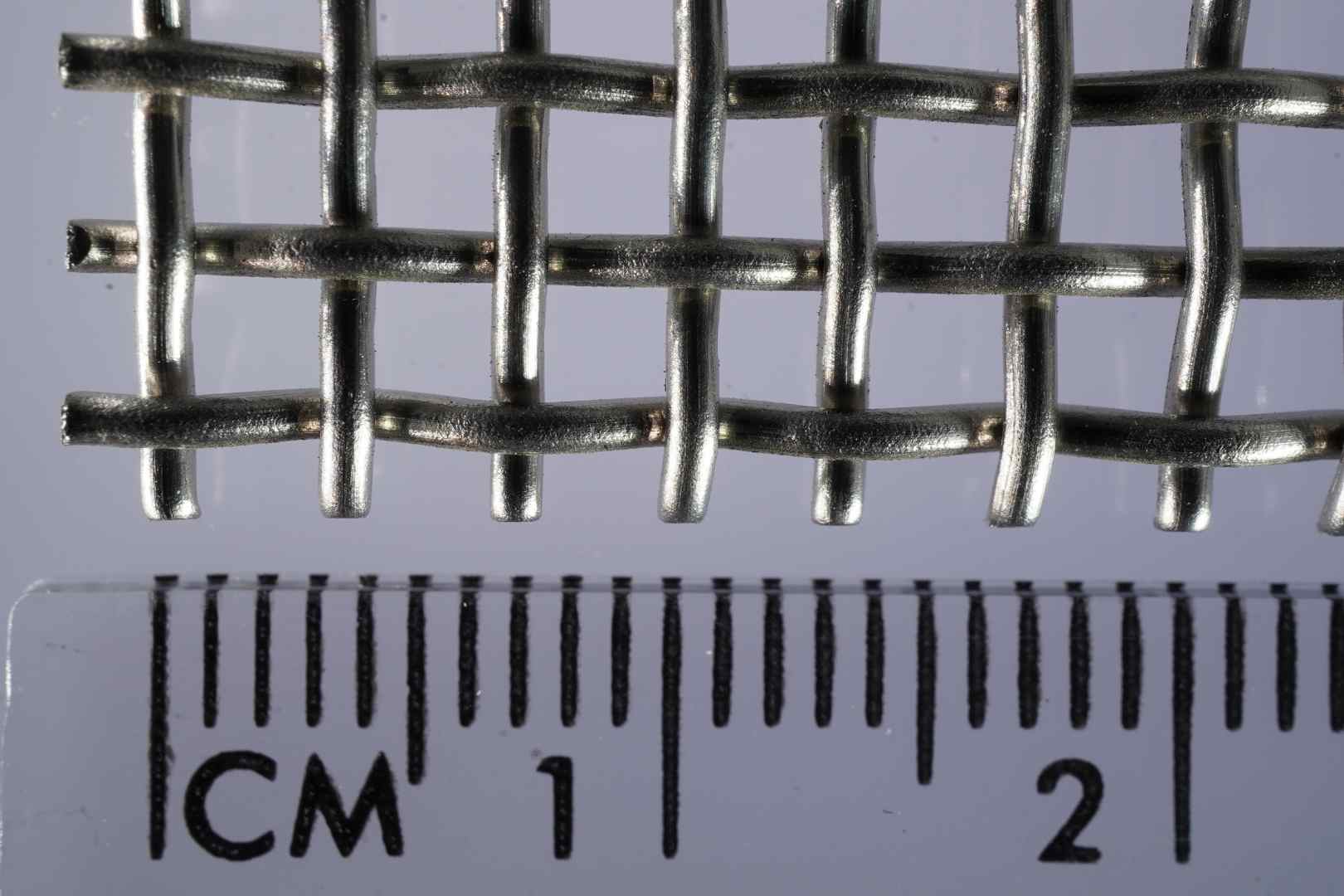
In woven metal mesh, the wires are not welded or mechanically fixed at the intersections. The warp and weft wires remain in place through mutual clamping, wire tension and the structure of the weave.
Because woven metal mesh is produced on weaving looms, the sides of rolls usually have selvage edges. These are the original edges of the weave, where the wires remain neatly locked within the structure of the roll.
On the sides where the mesh is cut to length or width, wire ends are created. These protruding wire ends are important for the stability of the mesh. They cannot simply be cut away completely up to the next wire, because the weft or warp wire may then lose its grip and slide out of the weave.
That is why woven metal mesh requires extra attention during cutting, processing and installation. Especially with loose pieces, panels or load-bearing applications, correct edge finishing is important.
Possible edge finishes include:
- retaining sufficient wire ends after cutting
- framing in a metal frame
- folded or bent edges
- clamped edge profiles
- spot welding or soldering of the edge, depending on the material and application
processing into a filter element, panel or mounting frame
Correct edge finishing prevents wires from shifting, coming loose or fraying. This keeps the woven metal mesh stable, safe to handle and suitable for further processing or installation.