
Flat Top Pre-Crimped Mesh
- Wear-resistant flat top screen mesh with a completely flat top surface
- Pressed wire mesh for vibrating screens, crushing plants and bulk processing.
- Manufacturer of flat top woven metal mesh in stainless steel and steel.
On this page:
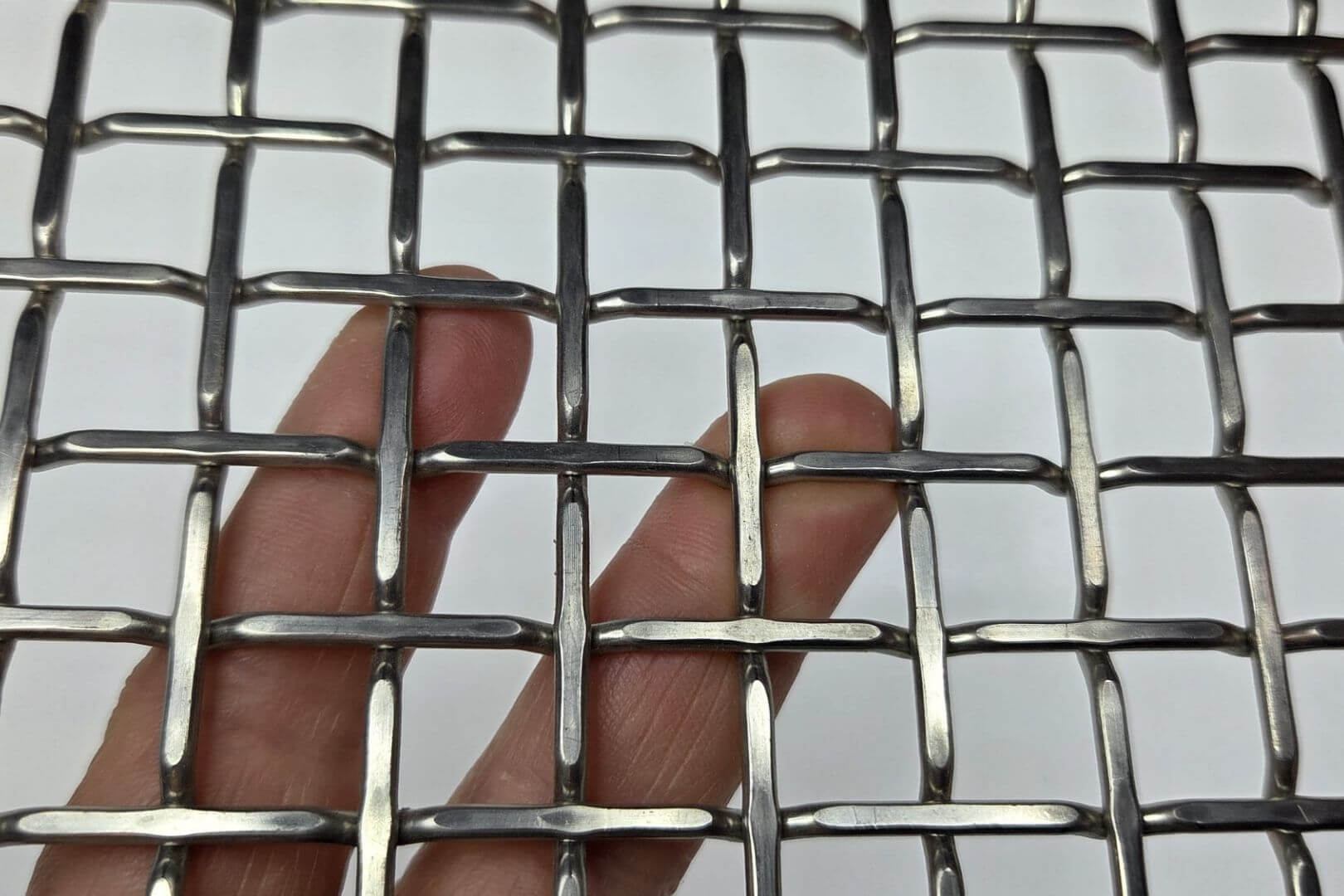
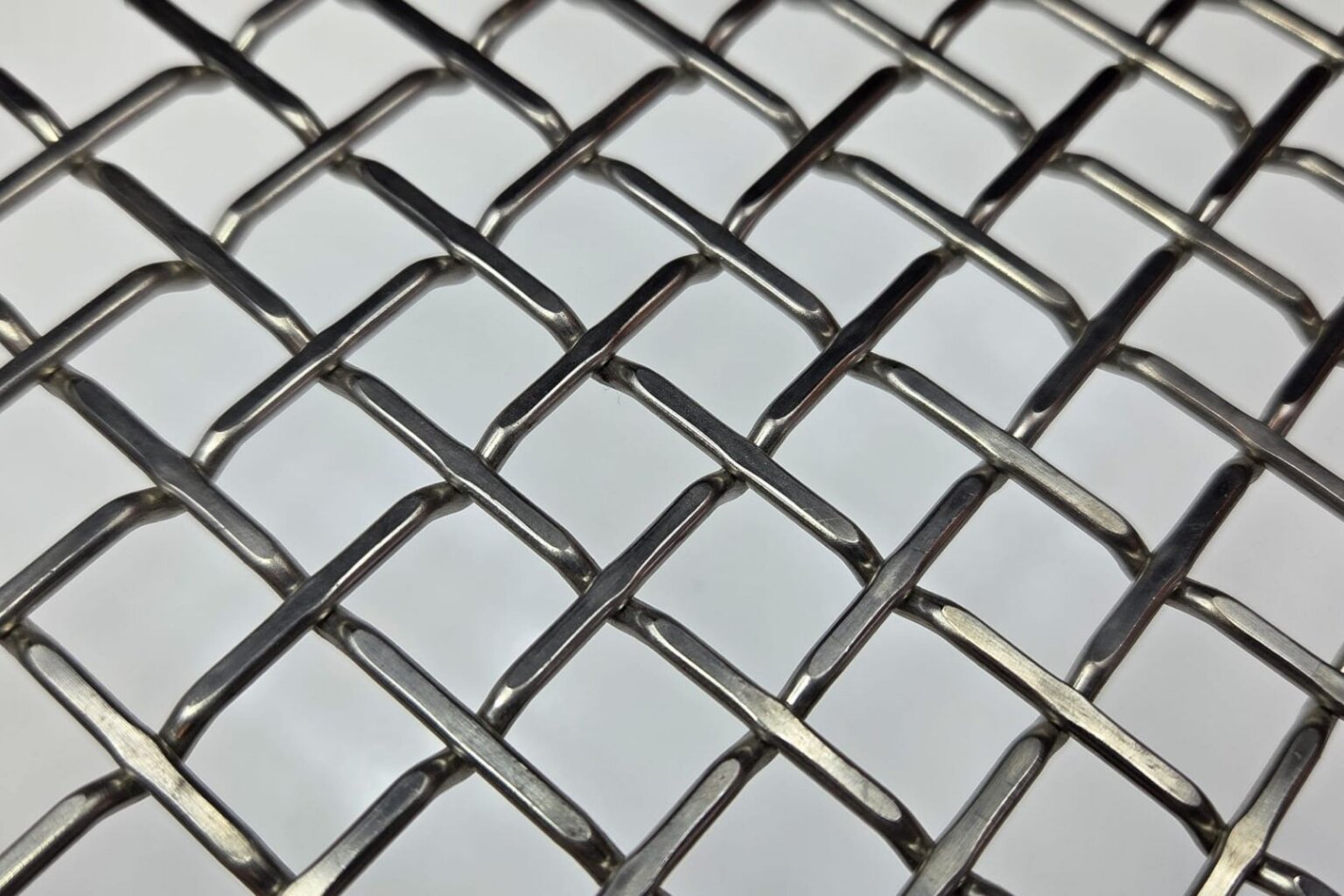
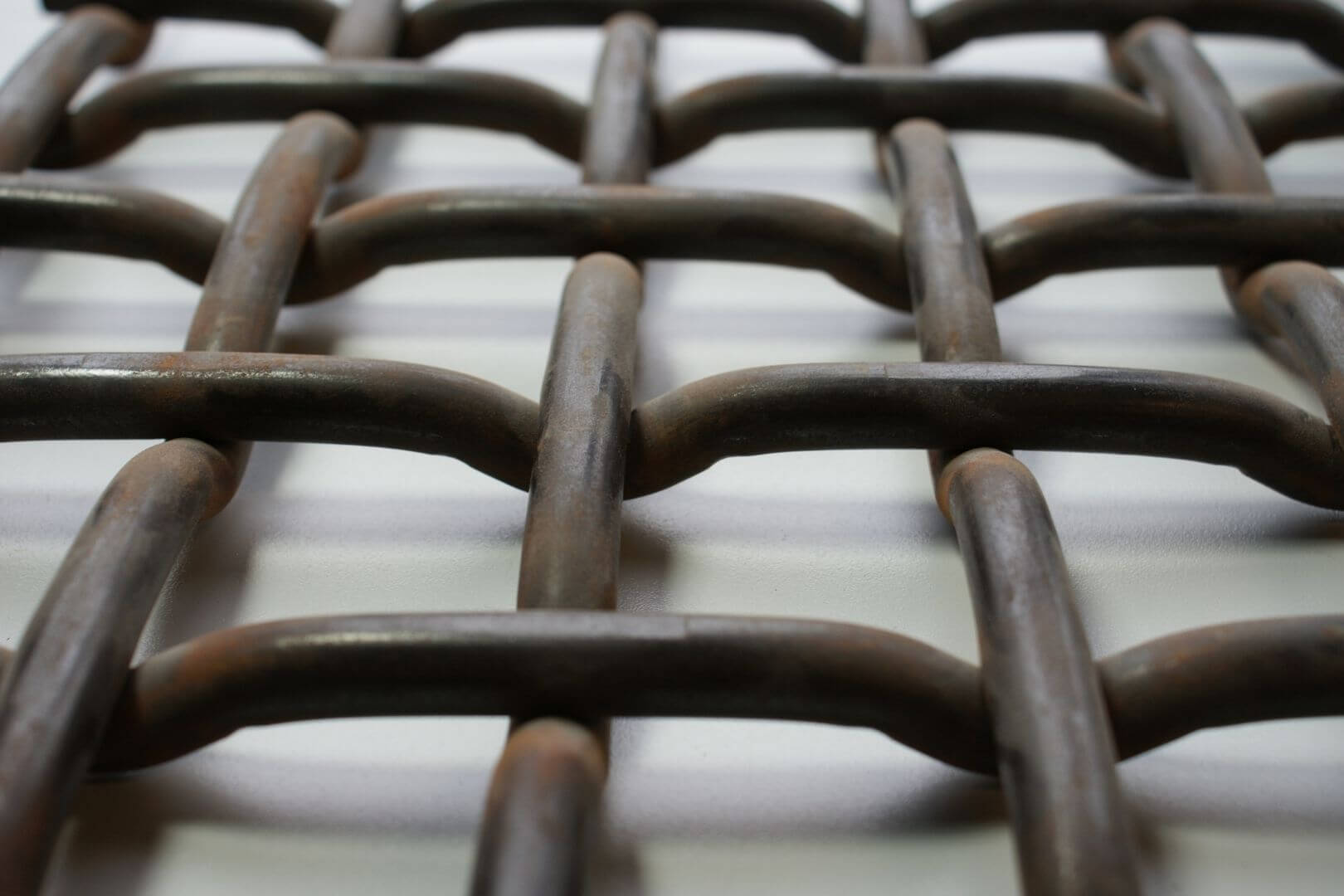
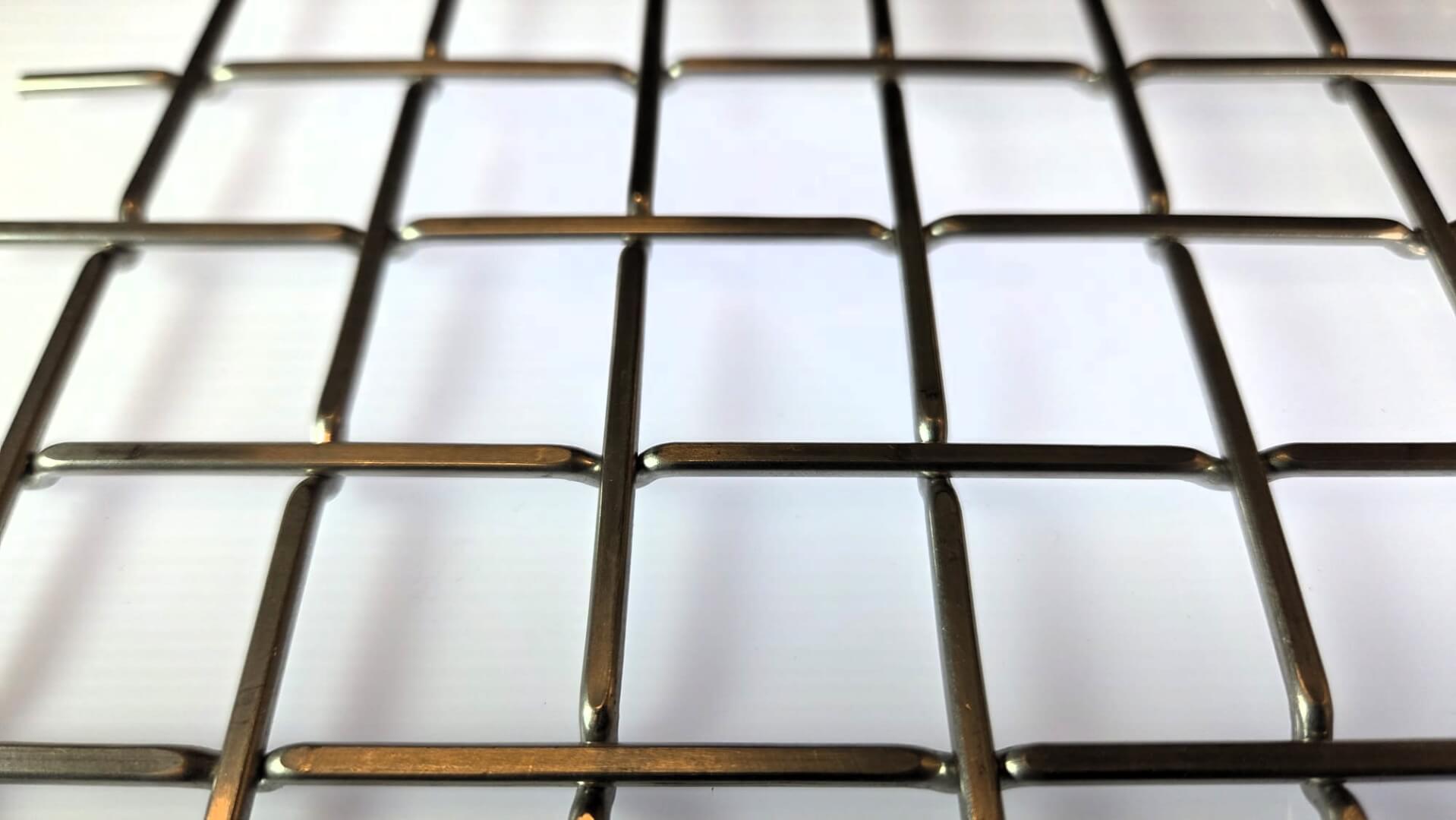
Flat Top Pre-Crimped Mesh is a type of pre-crimped metal mesh in which the wires are mechanically profiled before weaving. This creates a completely flat and smooth top surface, while the underside has a reinforced crimp profile.
This type of pressed mesh panel is widely used as:
- flat top pre-crimped mesh for vibrating screen installations
- wear-resistant screen decks for sand and gravel
- heavy-duty pressed wire mesh for crushing plants
- flat top screen panels for recycling
Thanks to the completely smooth top surface, this pressed wire mesh is particularly suitable for applications where material slides intensively over the screen surface and wear is an important factor.
What is flat top pre-crimped mesh or pressed wire mesh?
In flat top pre-crimped mesh, both the warp and weft wires are pre-crimped and provided with notches. During weaving, these notches are positioned so that:
- the top side of the mesh remains flat
- the mechanical locking is located on the underside
This results in a pressed mesh panel with a flat working surface, while the underside provides stability and structural anchoring of the wires.
Compared with double crimped woven metal mesh, where both sides show a wave pattern, flat top pre-crimped mesh offers a wear-resistant and even screening surface.
Construction and mechanical properties of this pressed mesh panel
The wires are mechanically profiled before weaving and engage with each other without welding. Thanks to the continuous locking, this creates a mesh panel that:
- remains dimensionally stable during use
- maintains a constant mesh opening
- resists vibration, impact and variable loads well
Compared with intermediate crimped mesh, double crimped mesh offers more local stability at each crossing point, which is important for fine mesh openings and accurate separation.
Dimensions, mesh openings and supply options
- mesh openings possible from approximately 10 mm to 50 mm
- available with square or rectangular mesh openings
- standard panels available
- custom-made panels possible at short notice
Technical characteristics of flat top pre-crimped mesh or pressed wire mesh
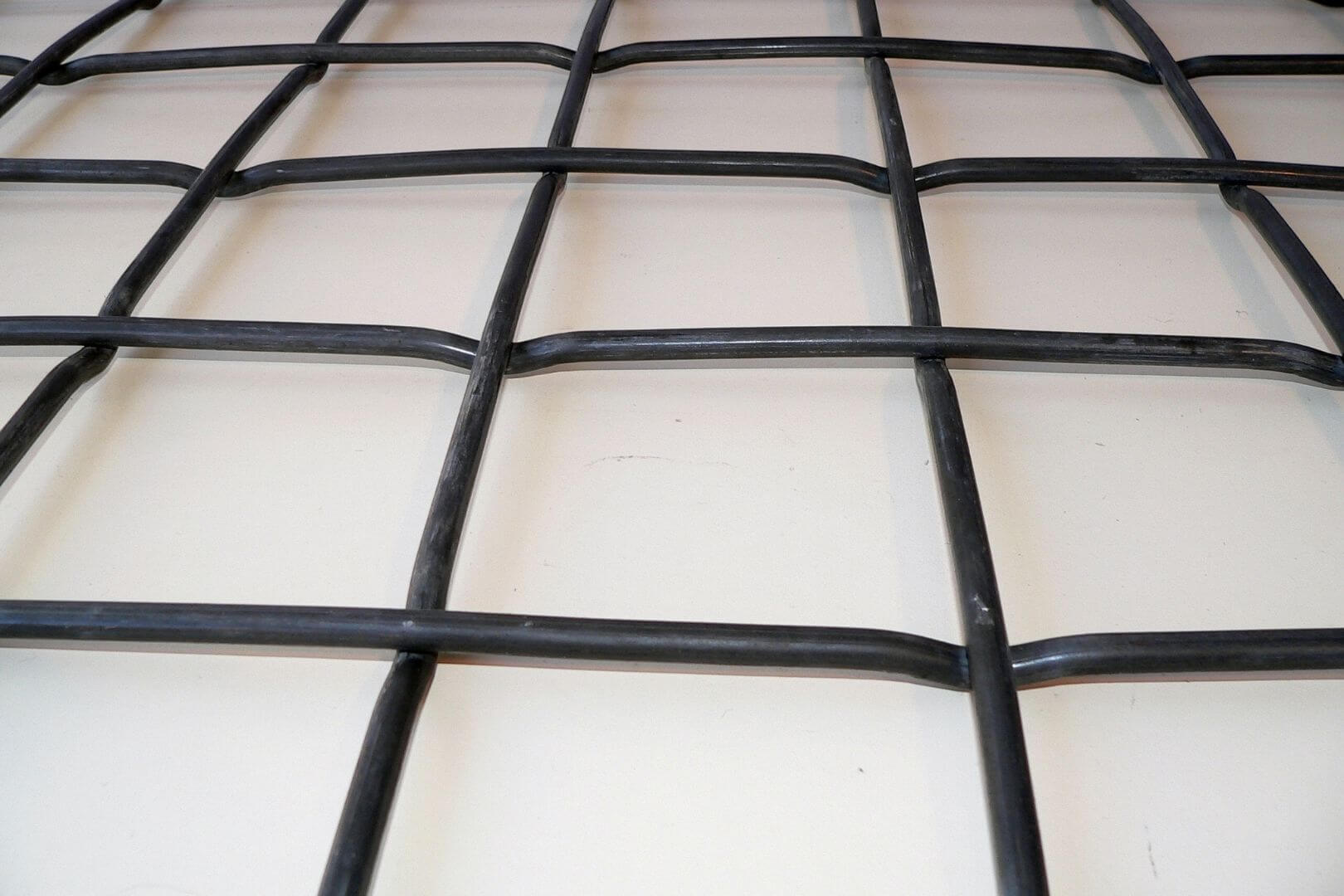
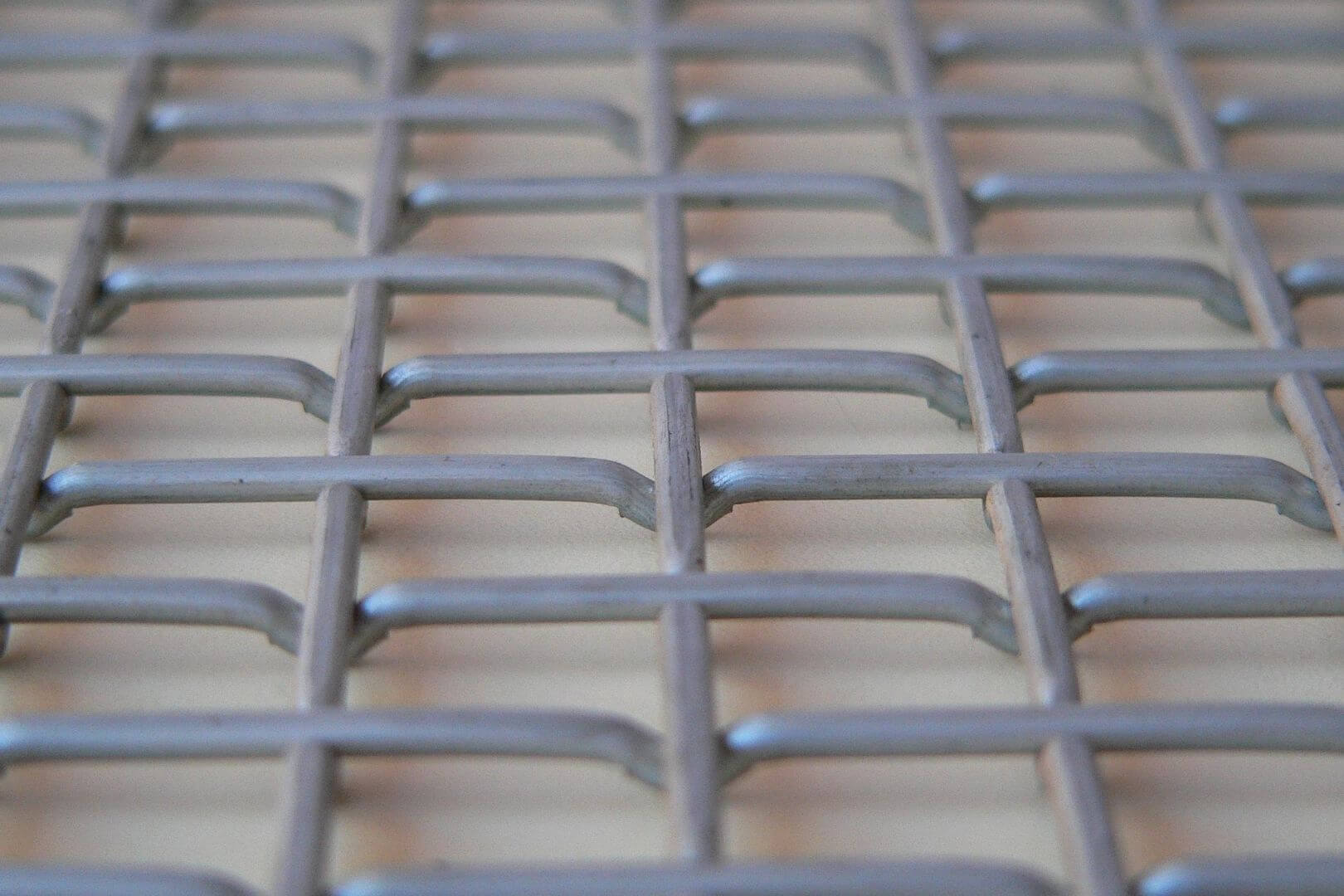
- flat top side thanks to the flat top crimped weave pattern
- locking of the wires by tension at each crossing point
- regular and reproducible mesh structure
- high dimensional stability under mechanical and dynamic load
- stable behaviour under vibration, impact and continuous load
- good permeability with controlled mesh openings
- suitable for industrial filtration, screening technology, guarding and sorting
Applications of flat top pre-crimped mesh or pressed wire mesh
- industrial screen panels for sorting, classification and material separation
- screen decks in installations for sand, gravel, aggregates, recycling and bulk goods
- filter and separation panels in process and production installations
- wear-resistant panels where a flat top side is required
- protective and guarding panels around machines and technical installations
- panels in applications with continuous mechanical load
- architectural and functional applications where a flat, regular and stable surface is required
When should you choose flat top pre-crimped mesh or pressed wire mesh?
Flat top pre-crimped mesh is the right choice when:
- small to medium mesh openings are required
- maximum mesh stability and accuracy are needed
- a constant screening or filtration function is important
- the panel is exposed to mechanical load for long periods
- a flat and wear-resistant top surface is required
For larger mesh openings, intermediate crimped mesh is often more suitable, while lock crimp mesh is used for very heavy loads
Points to consider with flat top pre-crimped mesh or pressed wire mesh
In flat top crimped woven metal mesh, the wires are profiled in advance and mechanically locked at the crossing points by their mutual tension.
Thanks to the flat top surface and the crimped underside structure, the mesh panel retains a regular mesh shape and good wire stability. As with other pre-crimped woven mesh panels, this type also requires extra attention to edge finishing.
The wire ends cannot be shortened without limit. If a wire is cut too short, it may lose its mechanical locking and slide out of the mesh.