
Dutch weave woven metal mesh
- suitable for fine and accurate filtration
- compact structure with controlled filter opening
- high stability under pressure and process load
- suitable for filter elements, pressure filters and process installations
Dutch Weave
Dutch weave is used when standard square meshes are not sufficient for the required filtration fineness. Instead of an open square mesh, this weave has a compact structure in which the wires are positioned closely together.
This makes Dutch weave particularly suitable for applications where fine particles need to be separated from liquids, gases or process media. The choice depends on filtration fineness, flow rate, pressure load, material and cleanability.
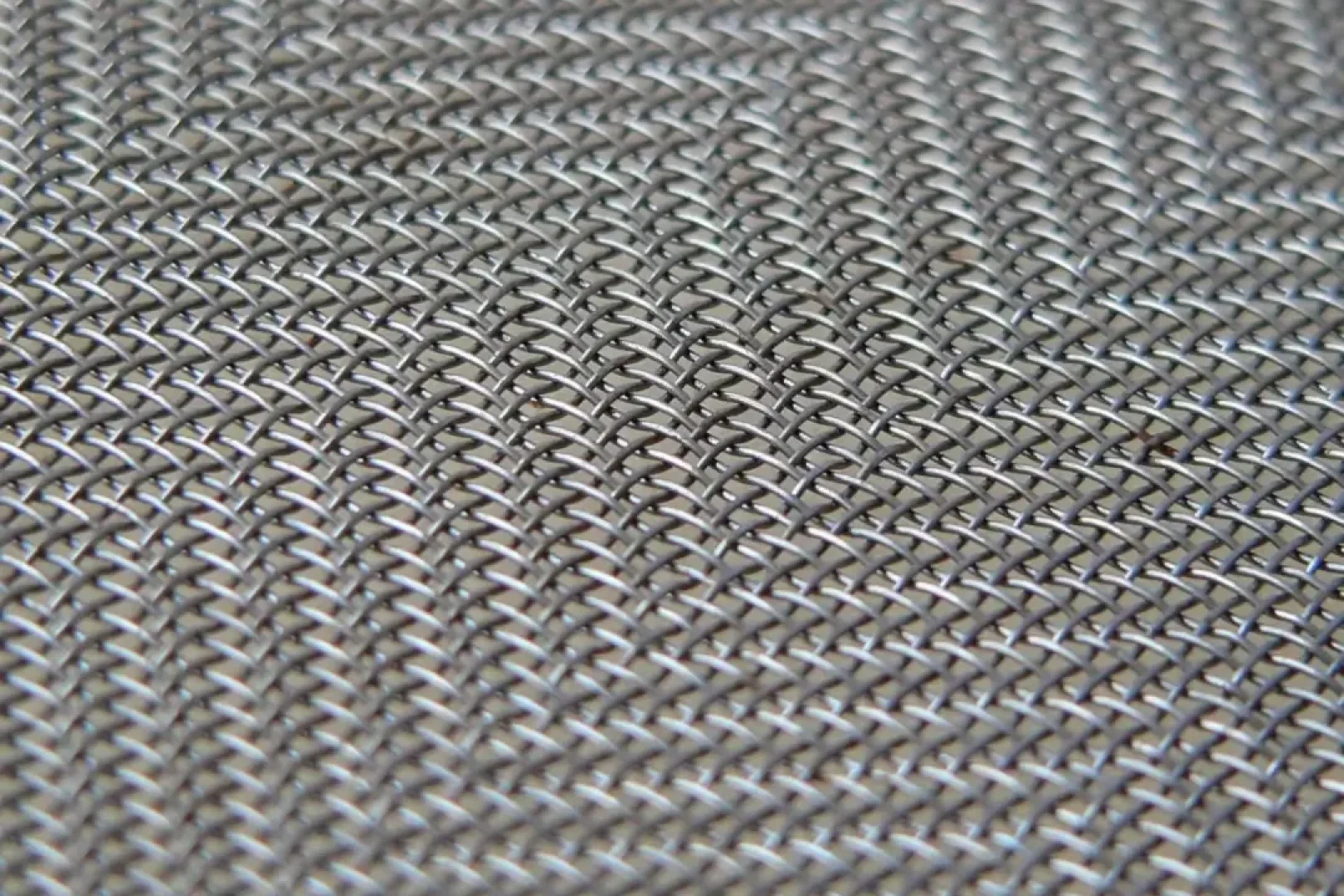
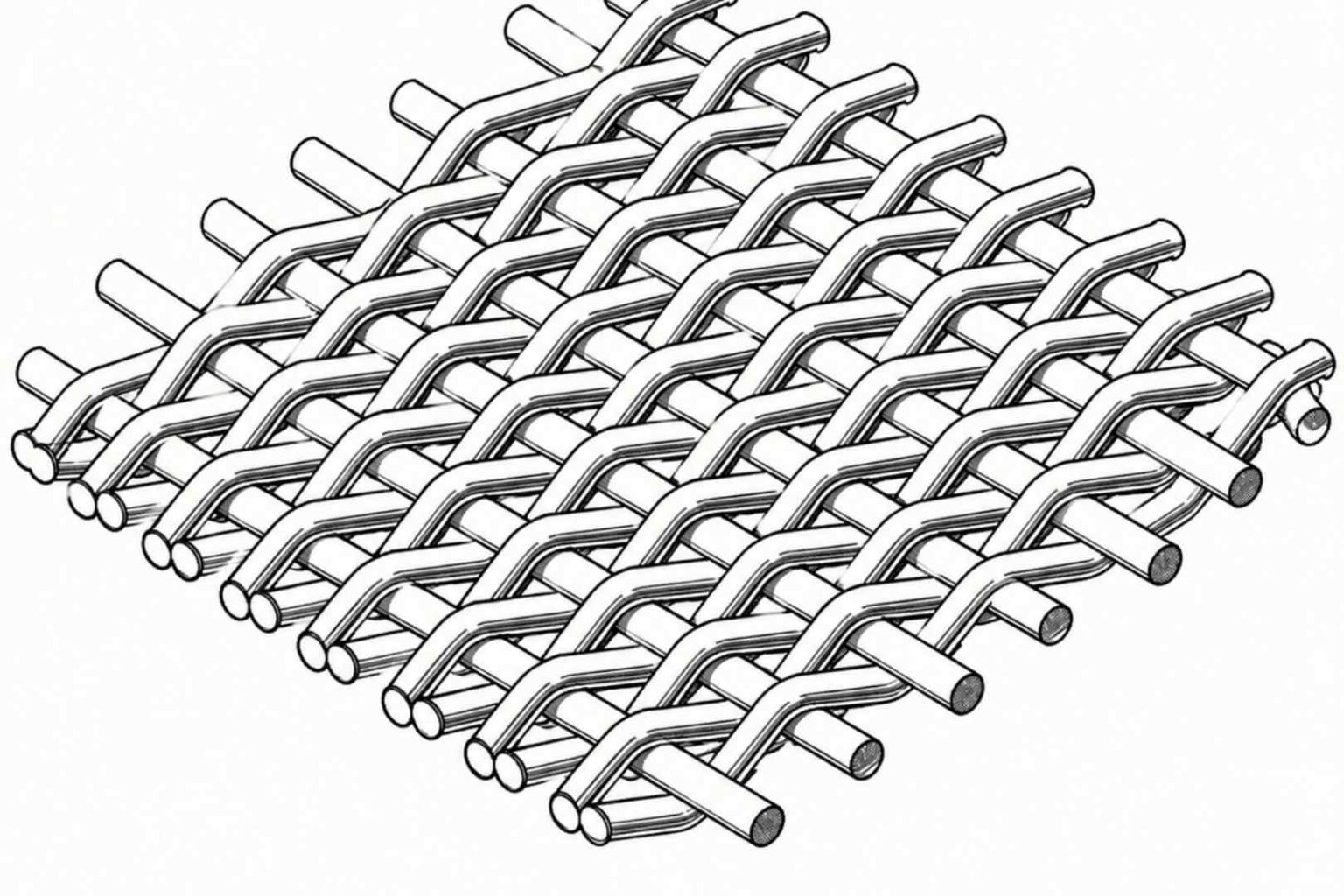
What is woven filter mesh - Dutch weave?
Dutch weave is a densely woven metal mesh in which the wires are positioned very closely together. Unlike a standard square mesh, it does not create an open mesh structure, but a fine filter structure with controlled passages.
The wire construction can differ in each direction. Stronger wires provide mechanical stability, while finer wires determine the actual filtration performance. This makes Dutch weave suitable for applications where standard woven mesh structures are too open.
This type of filter mesh is chosen when fine particles need to be separated from liquids, gases or process media with a constant and reliable performance.
Dimensions, mesh openings and delivery options
Dutch weave is not selected only based on mesh opening, but mainly based on filtration fineness, flow rate, pressure loss and process load. The correct version depends on the medium, the required separation, the temperature, the pressure and the cleanability.
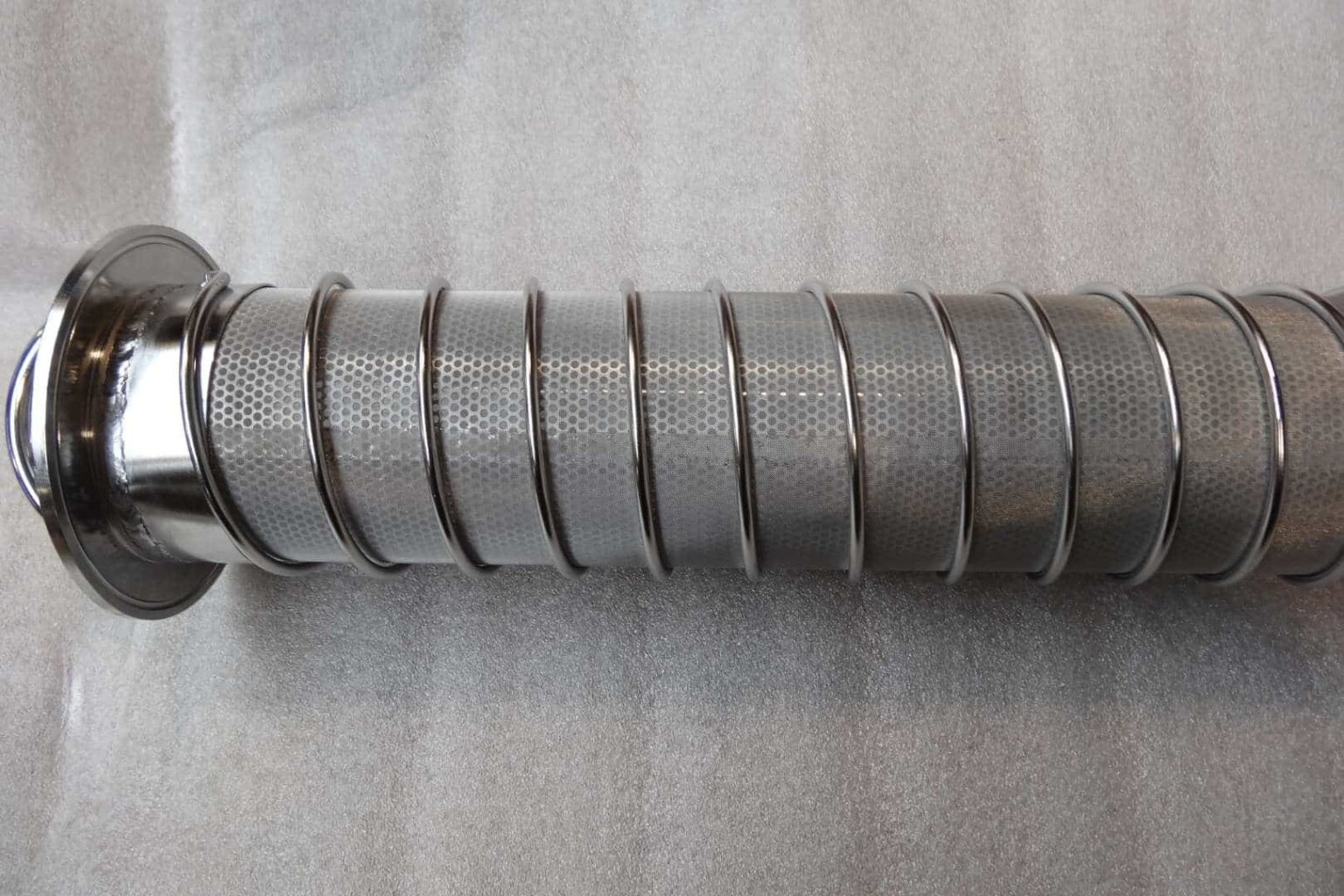
The material is available on roll, as a cut-to-size piece, as a flattened piece or processed into filter elements. Depending on the application, Dutch weave can be processed into filter discs, cylinders, baskets, filter candles or other technical components.
For custom-made solutions, filtration fineness, wire diameter, material type, dimensions and required finishing are taken into account.
Technical characteristics
- very fine and controlled filter structure
- compact weave with limited open area
- high stability under pressure and flow
- suitable for liquids, gases and process media
- good mechanical strength for fine filtration
- available in stainless steel and special alloys
- suitable for processing into industrial filter elements
- selection based on micron rating, flow rate and pressure loss
Applications of Dutch weave
Dutch weave is used in applications where fine filtration must be more reliable than with standard woven mesh. It is mainly used in process installations, technical filters and environments where constant filtration performance is important.
Typical applications are:
- liquid filtration
- oil and hydraulic filtration
- water treatment
- chemical process filtration
- extrusion filters
- pressure filters
- filter elements and filter candles
- sludge separation and fine particle filtration
- food industry and technical filtration

When to choose Dutch weave?
Dutch weave is the right choice when filtration fineness is more important than open area. This type is intended for technical filtration where fine particles need to be retained in a controlled way.
Choose Dutch weave when:
- very fine filtration is required
- a standard square mesh is too open
- the filtration performance must be accurately defined
- pressure load or process load plays a role
- the mesh is processed into filter elements
- stable filtration over a longer period is required
Compared with plain weave, Dutch weave is much denser and more precise as a filter medium.
Points to consider with Dutch weave
As with every type of woven filter mesh, the wires in Dutch weave are not welded, but are held in place by mutual clamping and wire tension.
The sides of rolls usually have selvage edges, which keep the wires neatly enclosed within the structure. Where the mesh is cut, wire ends are created. These must not be cut too short, as the wires may then come loose or slide out of the weave.
For loose pieces, filters or technical components, correct edge finishing is therefore important, for example by framing, clamping, folding, soldering or processing into a filter construction.