
Slotted Sieves
Custom slotted sieves for industrial filtration, dewatering and separation
- Precise slot openings for liquids, slurries and solid materials.
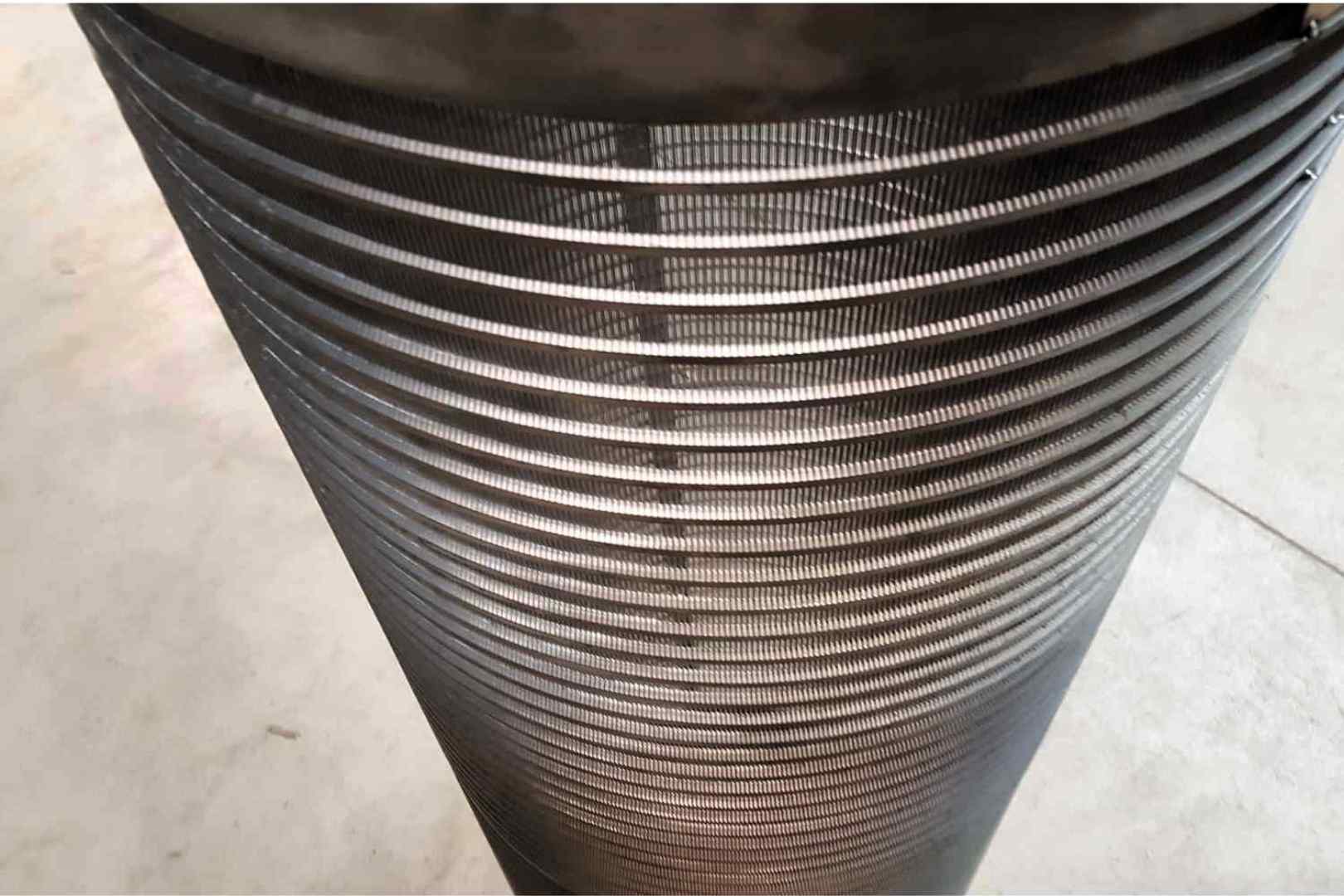
- Suitable as flat plates, curved sieves, cylinders, baskets or drums.
- Production, reproduction and repair according to model, drawing or application.
Slotted Sieves
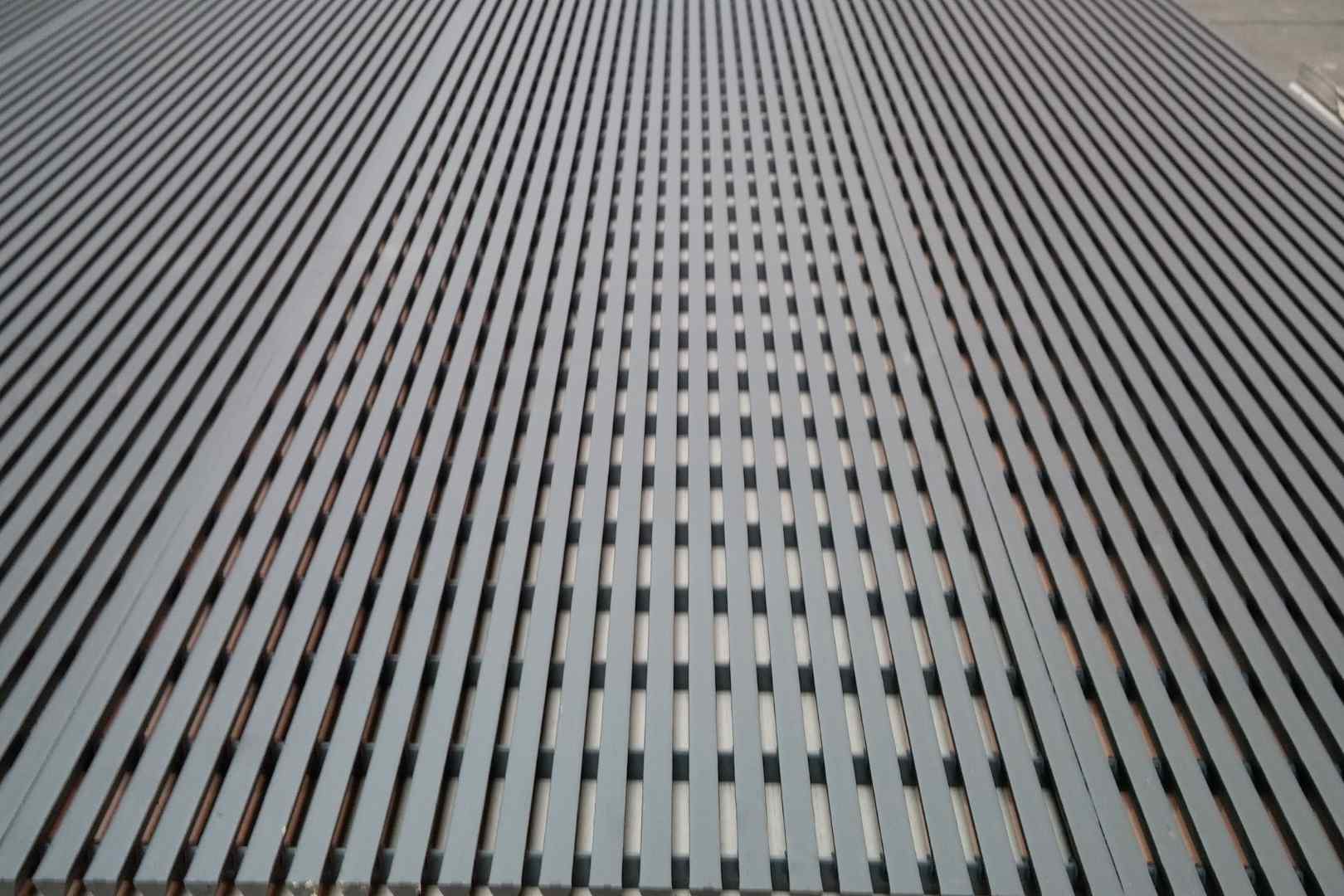
Slotted sieves, also known as wedge wire screens, profile wire screens or slot screens, are metal sieve elements with precise slot openings. They are used for filtration, dewatering, classification, separation and process screening in industrial installations.
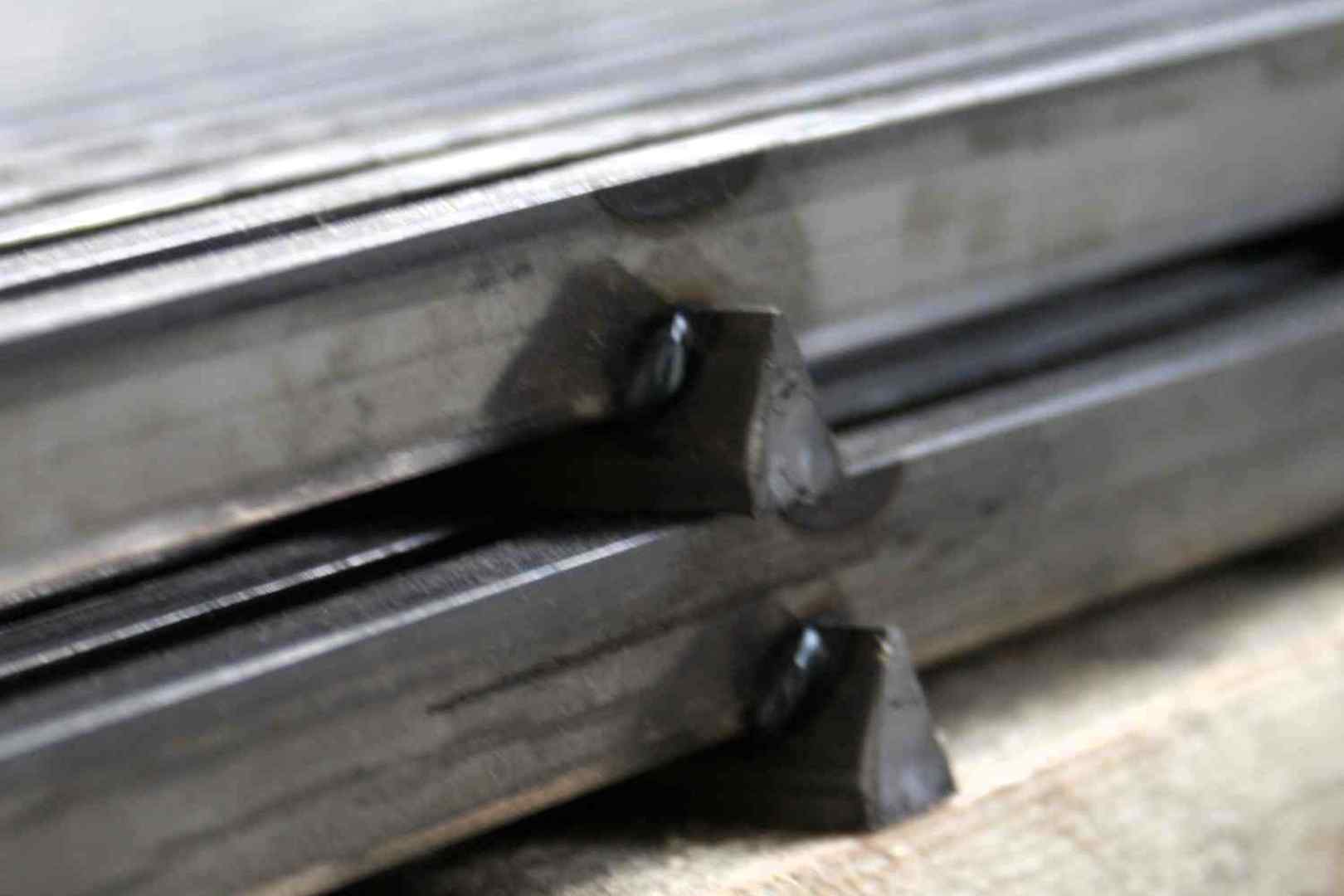
The construction usually consists of profile-shaped wires that are fixed onto support profiles. This creates a strong and dimensionally stable sieve surface with continuous slots. These openings can be selected very accurately according to the product, the required flow rate and the filtration grade.
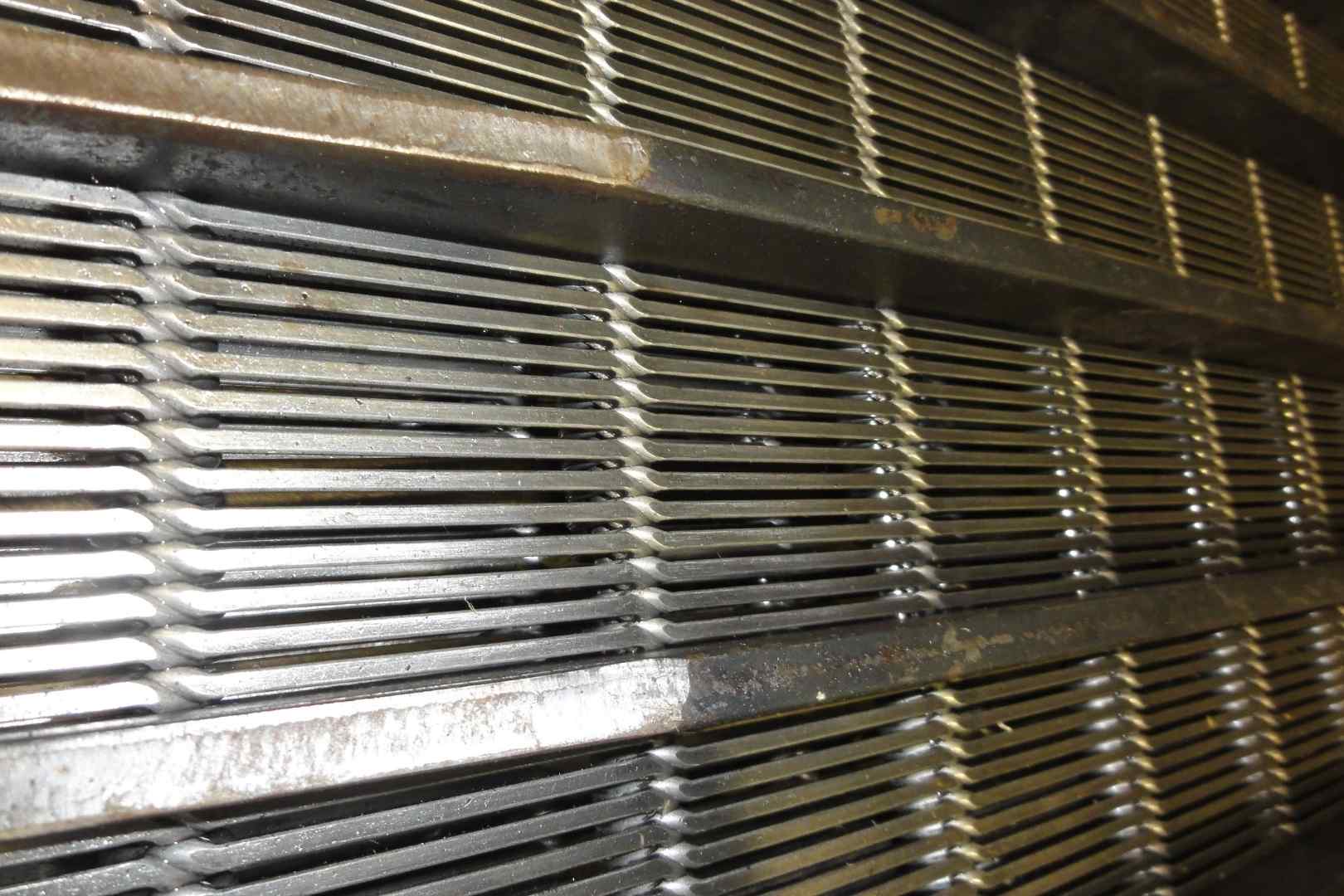
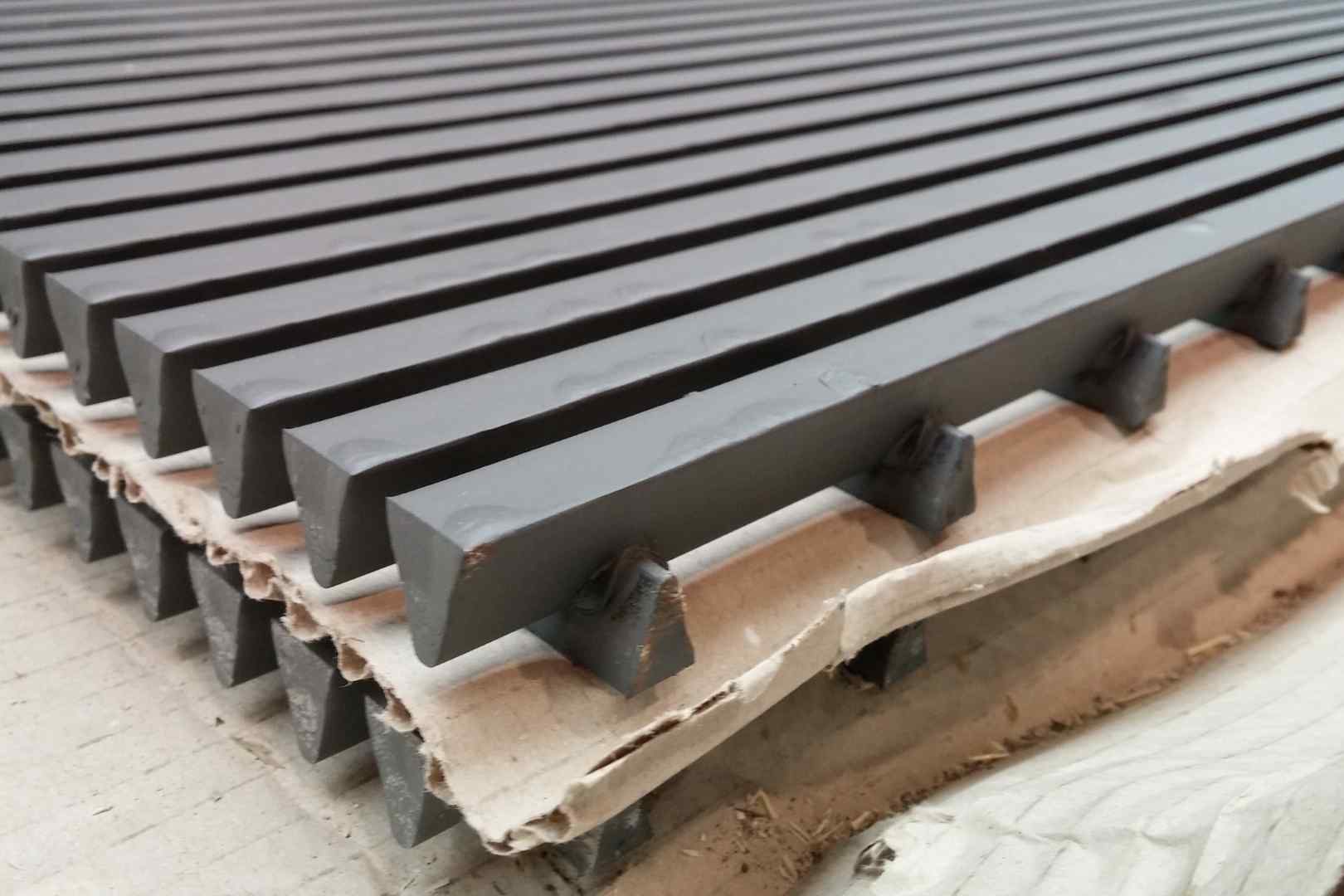
Slotted sieves – designed for high flow and reduced clogging
A good slotted sieve must combine the correct slot opening with sufficient open area, mechanical strength and smooth flow. Thanks to the typical profile shape, the sieve surface is strong while still allowing liquid or fine fractions to pass through efficiently.
Slotted sieves are often chosen when conventional woven wire mesh clogs too quickly, is not sufficiently wear-resistant or does not remain dimensionally stable under load. The fixed slot opening provides controlled separation and reliable operation in industrial processes.
Slotted sieves are widely used in water treatment, the food industry, chemical processing, mining, recycling, the paper industry, pellet production, process installations and dewatering applications. Internationally, they are also often referred to as wedge wire screens and are used for solid-liquid separation, dewatering, filtration and classification.
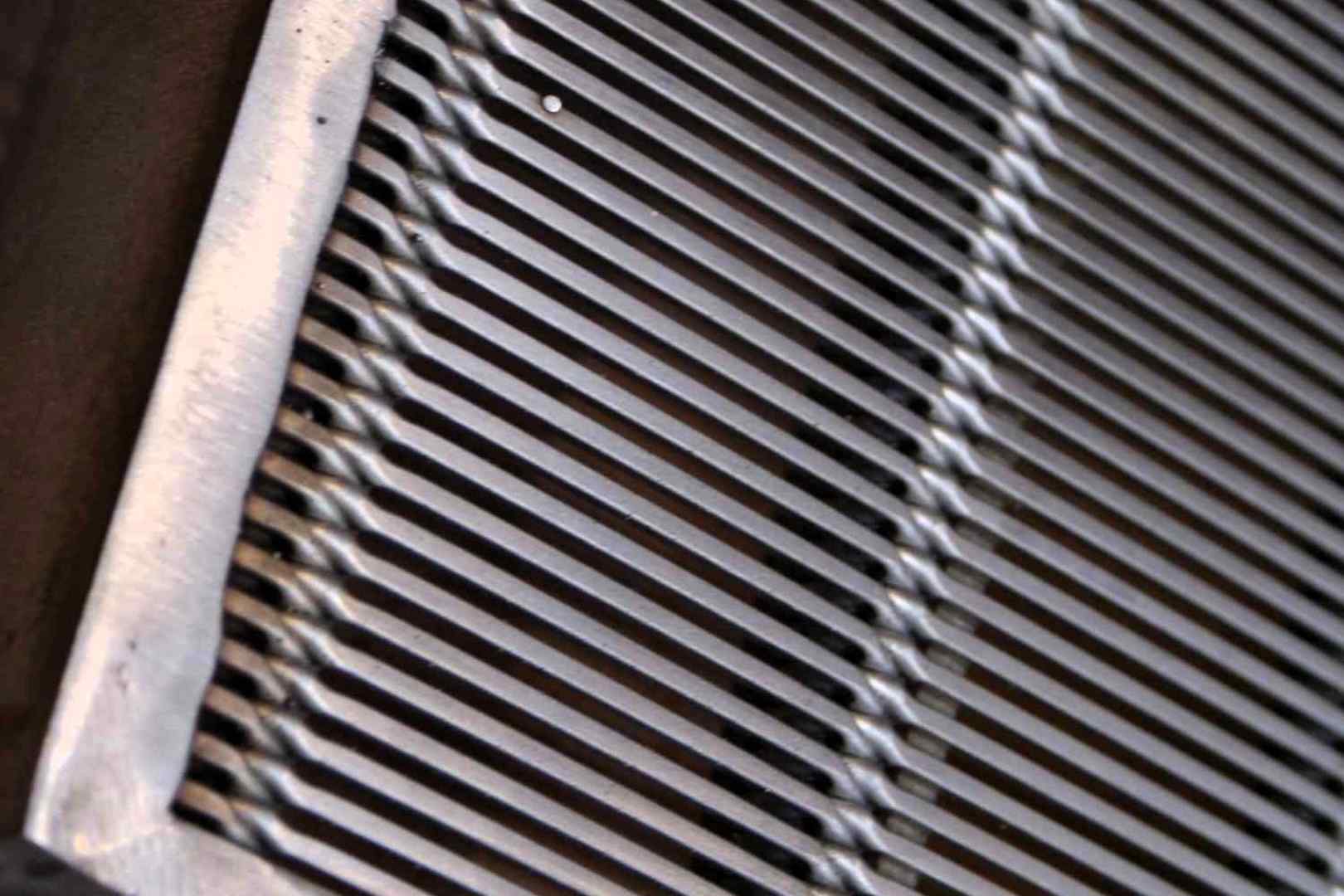
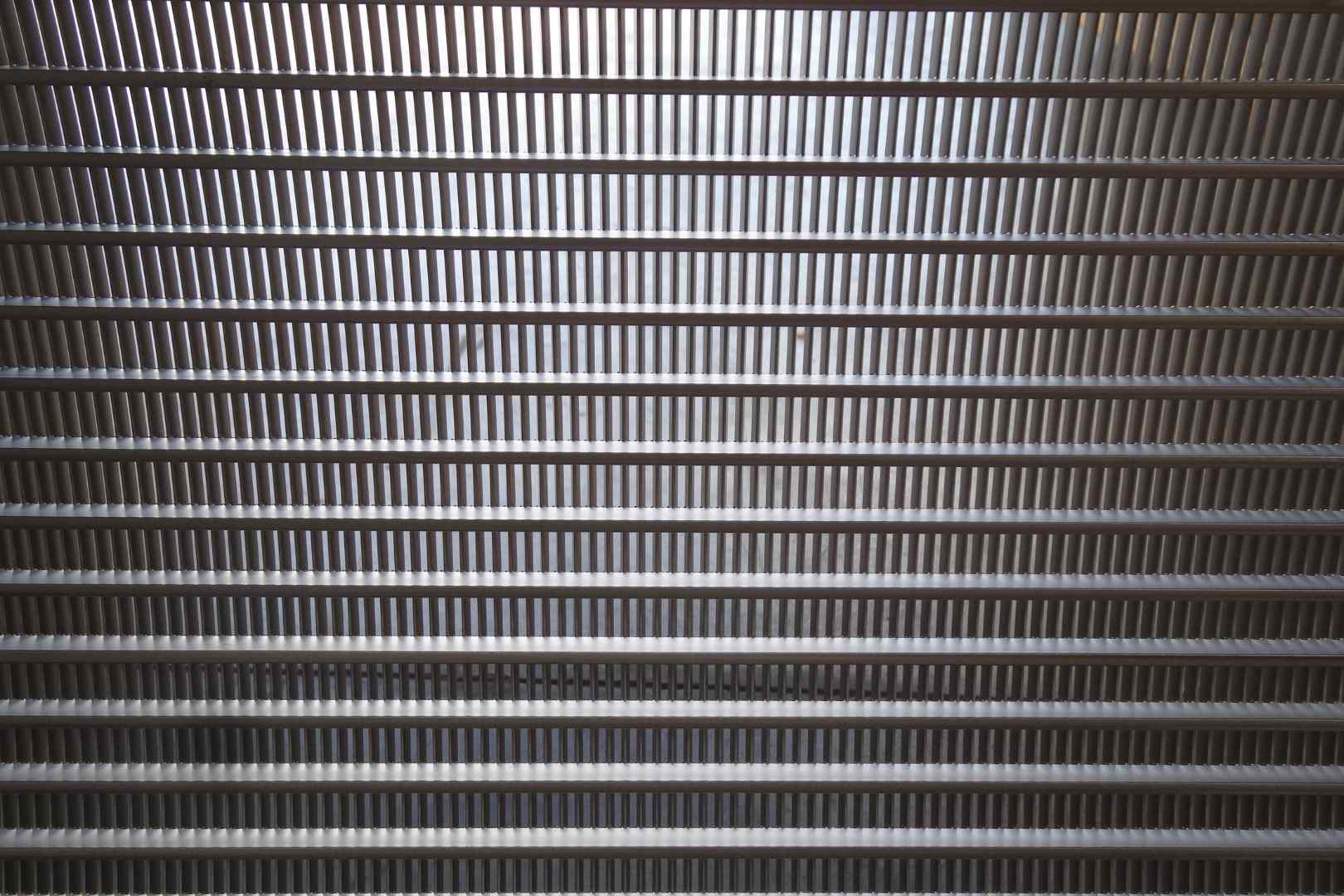
What is a slotted sieve?
A slotted sieve is a metal sieve element with long, narrow and precise slot openings. Instead of round holes or square mesh openings, a slotted sieve works with continuous openings between profile-shaped wires.
This construction provides high flow capacity, good mechanical strength and controlled separation. The slot opening determines which particles are retained and which fraction or liquid can pass through the sieve.
Slotted sieves are used for:
- industrial filtration
- dewatering
- classification
- solid-liquid separation
- separation of solids and liquids
- process water filtration
- water treatment
- sieve bends
- rotary drum sieves
- centrifuge sieves
- filter baskets
- filter cylinders
- sieve baskets and strainer baskets
How does a slotted sieve work?
A slotted sieve works as a fixed sieve surface with controlled slot openings. The medium or product flows over or through the sieve surface. Particles larger than the slot opening are retained, while liquid or smaller particles pass through the slots.
The V-shaped or profile-shaped wire structure helps to reduce clogging. In many versions, the opening becomes wider on the outlet side, making it less likely for particles to become trapped in the slot. This makes slotted sieves suitable for processes where flow rate, cleanability and continuous operation are important.
The performance is determined by:
- slot opening
- wire shape or profile type
- support profiles
- open sieve surface
- flow direction
- product load
- wear load
- required separation or dewatering
Custom-made slotted sieves
Slotted sieves are often made completely to measure. The slot opening, shape, dimensions, material and edge finish must match the machine or installation in which the element is used.
Omnimesh supplies slotted sieves according to an existing model, drawing, sketch, photo or technical specification.
Customisation is possible in:
- length and width
- diameter
- radius or curvature
- flat or curved version
- cylindrical version
- conical version
- slot opening
- profile type
- open sieve surface
- wire direction
- support profiles
- edge profiles
- flanges or mounting points
- material choice
- execution as basket, drum, cylinder or panel
This allows the slotted sieve to be matched to the required separation, the available space and the mechanical load in your process.
Need advice about slotted sieves?
Do you need a slotted sieve based on an existing model, drawing, photo, machine or process requirement? Or would you like a damaged slotted sieve to be copied or repaired?
Send us a photo, dimensions or an old sieve element. We will check which version best suits your application and prepare a targeted quotation.